01 / FORMING & GROOVING
Define the finished result before naming a tool
A radius profile, chamfer and groove are visibly and functionally different results. Starting with the required workpiece geometry prevents three separate operations from being compressed into one broad request for an edge wheel or blade.
If drawings, reference images or sample-edge information are available, include them with the enquiry. For a customized profile or OEM project, the target result is the most useful starting point for a technical review.
02 / FORMING & GROOVING
Use the right processing brief for each job
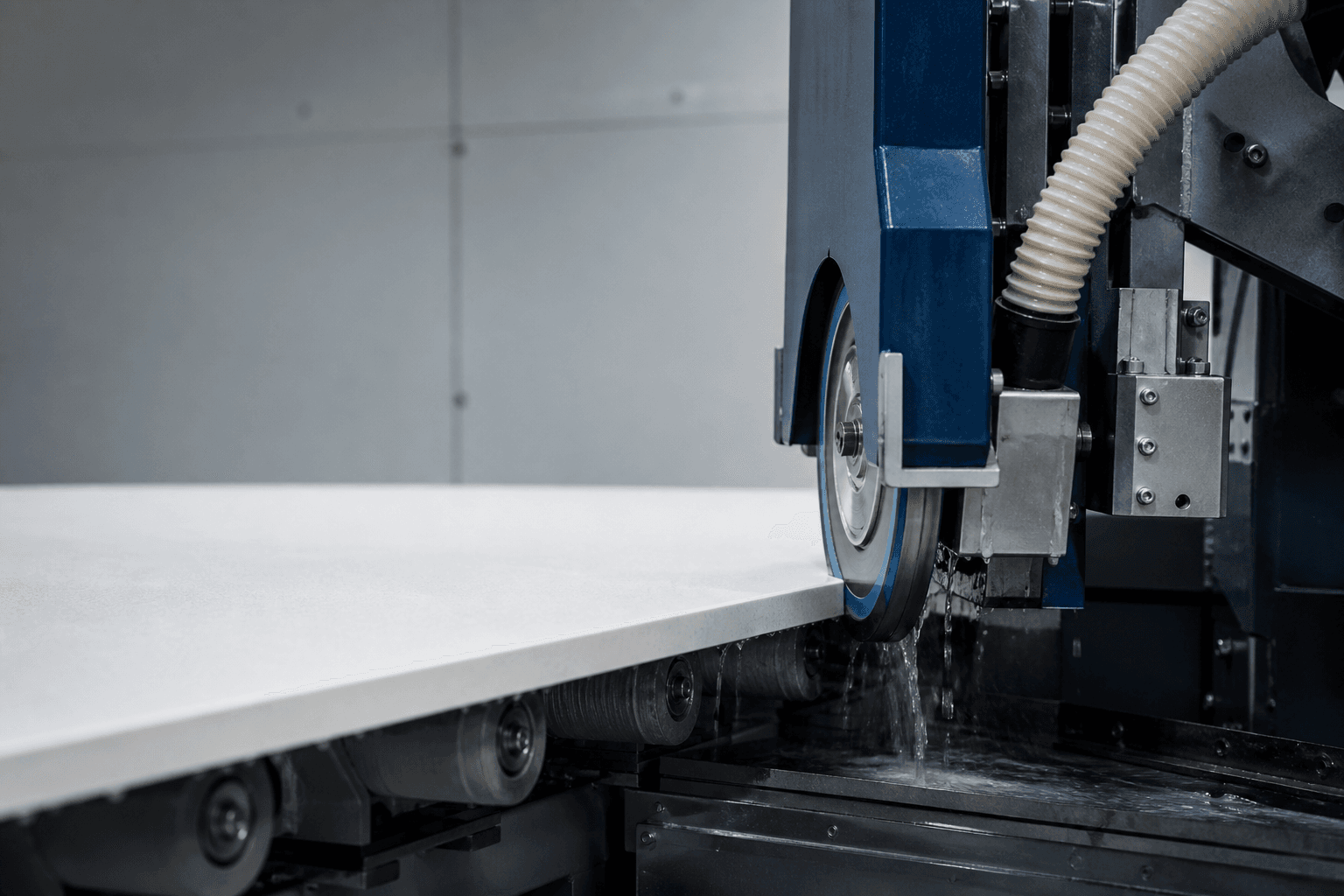
Radius profiling should describe the intended radius or shaped edge and whether the task is rough arc work or fine rounding. Chamfering should identify the front, rear or bottom position, the required bevel and the machine station.
Grooving should identify the tile material, required groove and machine. When available, add groove width, bore and whether a single- or combination-blade arrangement is being considered.
- Profiling: shape or radius, rough or fine stage, machine
- Chamfering: edge position, bevel requirement, machine
- Grooving: tile, groove requirement, machine, available width or bore information
03 / FORMING & GROOVING
Prepare one clear brief for a custom or OEM route
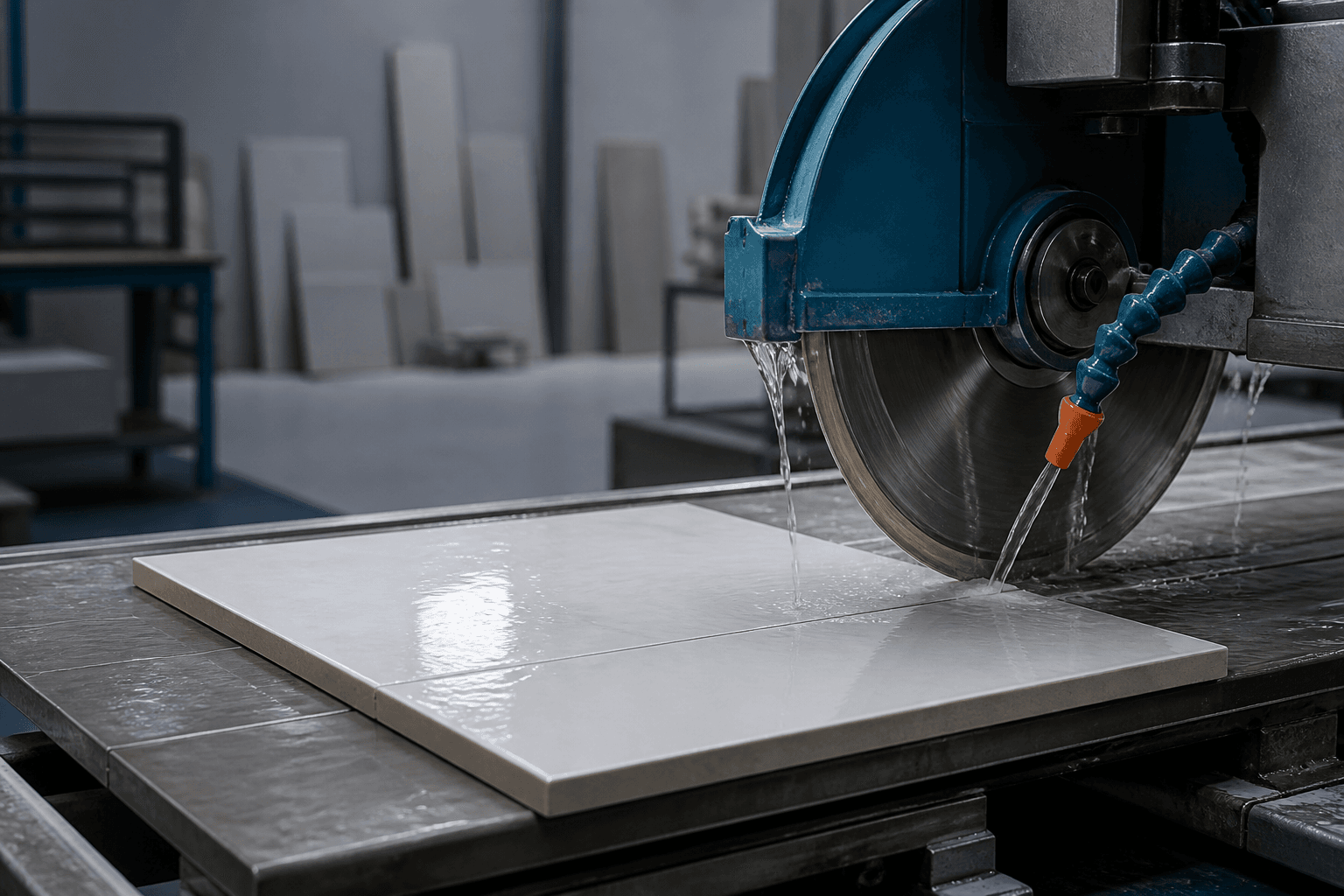
Machine context matters across all three processes. Depending on the required operation, your setup may involve handheld, table-type, beveling, edge-grinding, bridge or continuous-cutting equipment.
Do not assume that a tool used for one result automatically covers the others. Share the material, intended result, process stage and machine so the relevant profiling wheel, chamfering wheel or grooving blade family can be reviewed separately.
- Workpiece material
- Required profile, chamfer or groove
- Process stage and machine
- Drawing, image or project-specific OEM information when available