
Front, rear and bottom chamfering positions need to be named in the RFQ.
APPLICATION SOLUTION · CHAMFERING
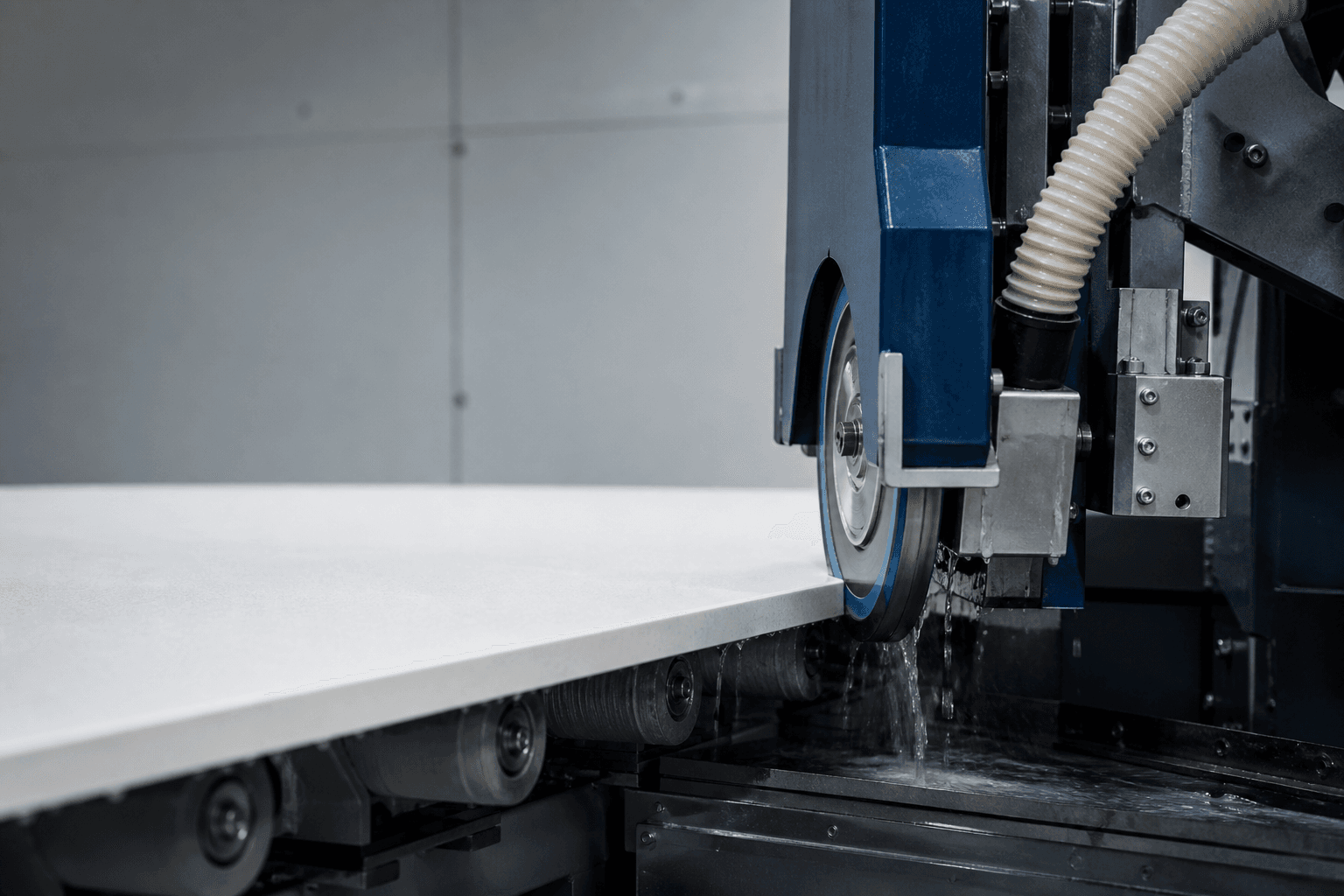
Ceramic Tile Chamfering
Define the bevel on a drawing before choosing a ceramic chamfering wheel. Compare bond options and the rear or bottom working position, then check the designation and mounting interface against the machine.
Material scope
Ceramic tileCompatible edge-processing materials
Processing focus
Front chamferingRear chamferingBottom chamferingBeveling
Equipment context
Automatic ceramic and sintered stone bevelerTable-type bevelerCNC edge grinder
BUYER CONTEXT
Identify the position
before the wheel.
A chamfering request is easier to assess when it names the ceramic material, edge position, required bevel and the machine station. This gives the wheel discussion a clear processing context.
The machine station influences how the wheel is discussed.
A chamfering project may require a planned sequence rather than a single generic wheel.
PROCESSING ROUTE
Build the selection
around the actual job.
- 01
Locate the chamfering position
Start with the edge position and required chamfering operation.
- 02
Confirm the workstation
Use the actual beveler, edge grinder or bridge cutter as the equipment context.
- 03
Open the chamfering wheel series
Review metal-bond, resin-bond and SiC wheel options through the relevant product page.
RECOMMENDED TOOL ROUTE
Tool stages for
this processing job.
Start from the stage you need to complete. The linked product series lets you review the available configurations once the material and machine are confirmed.
What to compare before choosing
| Product series | Selection considerations |
|---|---|
| Diamond Chamfering Wheels | Compare the bond, designation and rear or bottom working position. Match the mounting drawing and required bevel; the designation and station position belong in the order alongside the dimensions. |
Diamond Chamfering Wheels
Compare the bond, designation and rear or bottom working position. Match the mounting drawing and required bevel; the designation and station position belong in the order alongside the dimensions.
View specifications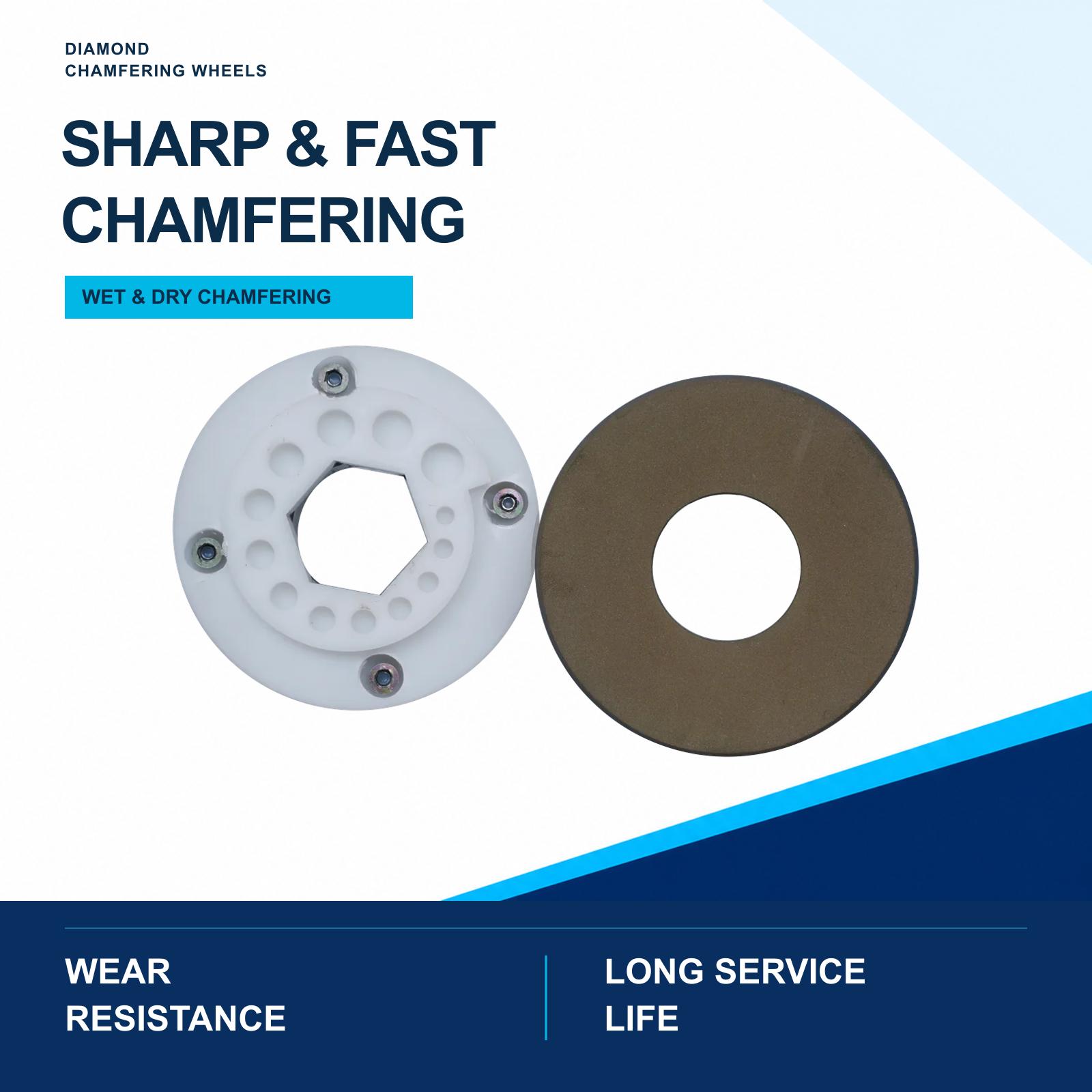
Chamfering wheel route
Diamond Chamfering Wheels
Chamfering wheels with metal-bond, resin-bond and SiC options for high-precision beveling.
View product series ↗SELECTION LOGIC
Confirm the project
before the quote.
Chamfer position
Define whether the task concerns a front, rear or bottom chamfering position.
Material
State the ceramic tile material and any relevant compatible material context.
Machine route
Share the automatic beveler, table-type beveler, CNC edge grinder or bridge cutter setup.
Required edge
Describe the beveling requirement before the product type is discussed.
CUSTOM & OEM PROJECTS
Custom & OEM
support.
Custom and OEM requests can be reviewed around your material, processing operation, machine and project-specific requirements.
01Ceramic material
02Front, rear or bottom chamfering position
03Machine type
04Required beveling result
APPLICATION FAQ
Buyer FAQs,
answered.
- 01Why should the chamfering position be part of the enquiry?
- Front, rear and bottom chamfering are different processing positions. Stating the position helps connect the required bevel to the actual machine route.
- 02What equipment should be supplied for a ceramic tile chamfering request?
- Include the beveler, CNC edge grinder or bridge cutter information together with the ceramic material, edge position and required bevel.