
In this guide 11 sections
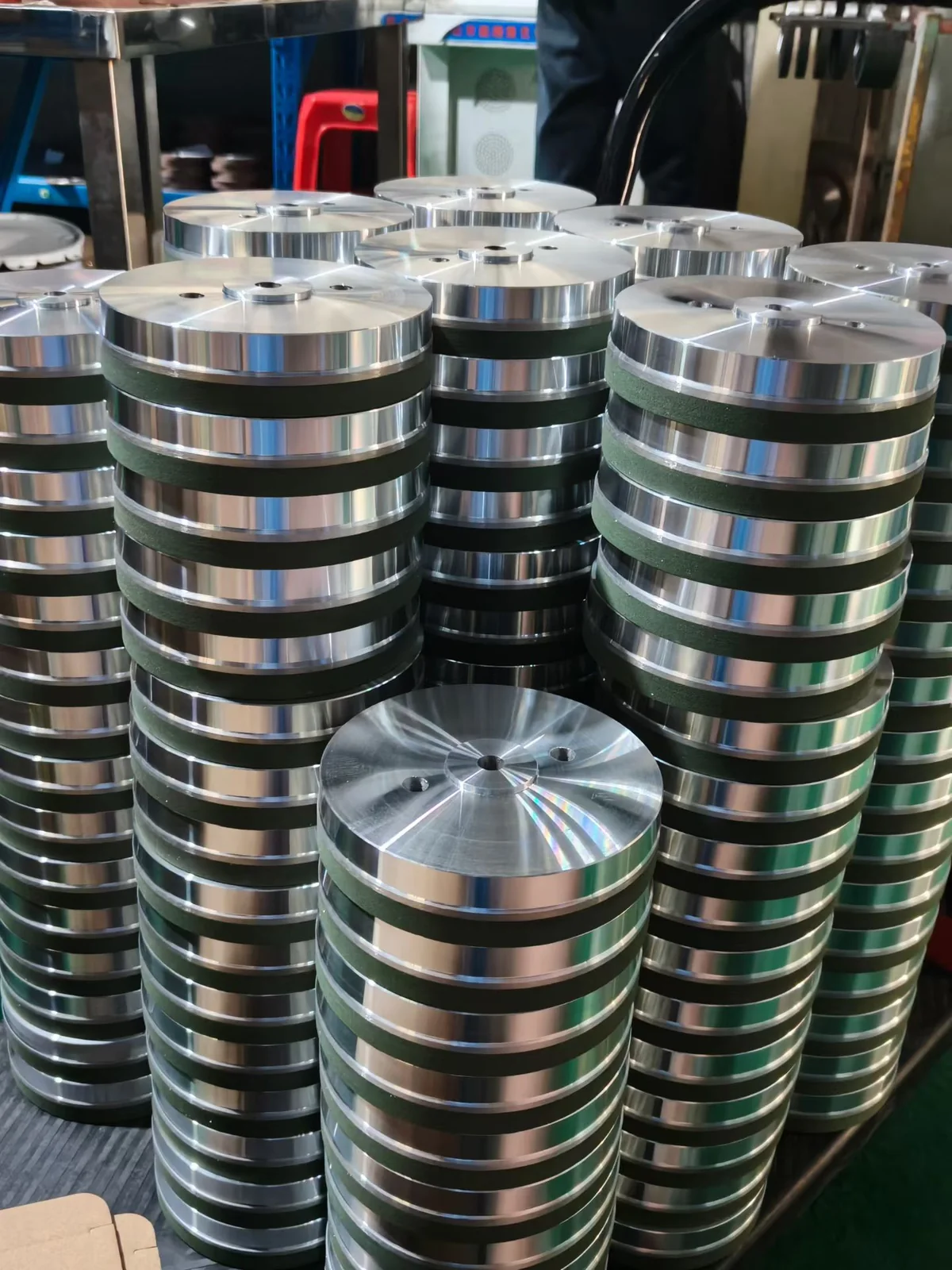
Before ordering resin-bond grinding wheels for sintered stone in bulk, confirm the machine interface, define the wheel’s job in the edge-grinding sequence, and test it on your actual slab material. Approve the result against agreed dimensional, edge-quality and wear criteria, then carry the approved specification into the purchase order, shipment inspection and receiving checks.
A sample that fits the machine is a starting point. The purchasing decision depends on whether it produces acceptable edges consistently under the conditions your production line needs to maintain.
For sintered-stone fabricators, processing workshops and tool distributors, this creates a practical question: what evidence is enough to move from a sample to a repeatable supply arrangement?
The answer is a connected approval process. The specification identifies the tool; the trial establishes its suitability; inspection checks the supplied batch against the order. Keeping those three steps connected makes a quotation more useful and a repeat order easier to manage.
What should you approve before placing a bulk order?
Approve a defined wheel specification for a defined application. “Suitable for stone” leaves too many questions unanswered: the slab material, grinding stage, removal requirement and machine arrangement still need to match.
Use three approval gates:
- Compatibility: the wheel matches the material, mounting interface and permitted operating conditions.
- Application performance: the trial meets your agreed edge, dimensional and production requirements.
- Supply consistency: the order identifies the approved configuration, inspection requirements and packaging.
A pass at one gate does not automatically establish the next. A dimensional inspection cannot demonstrate wheel life, and a successful sample does not identify an unlabelled replacement batch.
Start with a specification both sides can check
Send your resin-bond grinding wheel supplier one application sheet that purchasing and production can both understand. Photographs help identify the current setup, but a dimensioned drawing is more useful for confirming the mounting interface.
| Information | What to record | Why it matters |
|---|---|---|
| Sintered stone | Manufacturer, series, surface, thickness and slab batch | Defines the material being evaluated |
| Process stage | Machine position and upstream/downstream tools | Establishes the wheel’s actual job |
| Removal | Incoming size, required finished size and removal allocation | Prevents an unclear grinding target |
| Machine | Model, spindle data and available operating range | Supports a compatibility review |
| Wheel geometry | Diameter, bore, working section, overall height and offset | Checks clearance and physical fit |
| Mounting | Hole count, pitch-circle diameter, fasteners and locating faces | Prevents a diameter-only match |
| Abrasive specification | Bond, grit designation and working-face structure | Identifies the configuration to test |
| Process conditions | Wet or dry operation, cooling or extraction, feed and speed | Defines the trial conditions |
| Acceptance | Dimensions, edge appearance, output and wear criteria | Makes the approval decision measurable |
Compare the options Tap to expand
Sintered stone
- What to record
- Manufacturer, series, surface, thickness and slab batch
- Why it matters
- Defines the material being evaluated
Process stage
- What to record
- Machine position and upstream/downstream tools
- Why it matters
- Establishes the wheel’s actual job
Removal
- What to record
- Incoming size, required finished size and removal allocation
- Why it matters
- Prevents an unclear grinding target
Machine
- What to record
- Model, spindle data and available operating range
- Why it matters
- Supports a compatibility review
Wheel geometry
- What to record
- Diameter, bore, working section, overall height and offset
- Why it matters
- Checks clearance and physical fit
Mounting
- What to record
- Hole count, pitch-circle diameter, fasteners and locating faces
- Why it matters
- Prevents a diameter-only match
Abrasive specification
- What to record
- Bond, grit designation and working-face structure
- Why it matters
- Identifies the configuration to test
Process conditions
- What to record
- Wet or dry operation, cooling or extraction, feed and speed
- Why it matters
- Defines the trial conditions
Acceptance
- What to record
- Dimensions, edge appearance, output and wear criteria
- Why it matters
- Makes the approval decision measurable
Use offcuts from the material intended for production where practical, and record their identity. A trial on a different ceramic product, engineered quartz or natural stone should not automatically become approval for your sintered-stone application. Include slab support and the required finished edge in the application brief.
Keep dimension labels unambiguous
Start with Xianlong’s resin-bond grinding wheel range, then confirm the exact sintered-stone configuration against your drawing. An outside diameter alone leaves the bore, working section, mounting arrangement and overall geometry unresolved.
Confirm which direction each working-section measurement describes on the drawing. Also distinguish the center bore from the mounting-hole pattern. Do not translate a supplier’s grit code into another grading system without confirming the equivalence.
Match the sample to its position in the line
Define whether the candidate wheel is intended for stock removal, intermediate refinement or final edge finishing. Comparing tools assigned to different jobs produces a misleading result.
For a resin-bond candidate, describe the condition of the incoming edge and the change required at that position. Is the task to refine marks left by an earlier stage, improve the edge finish or perform a specified amount of edge trimming? Record the requirement rather than expecting the bond name to define the complete process.
The metal-bond versus resin-bond wheel guide provides background on process-stage selection. Use it alongside the actual sintered-stone application brief when discussing the proposed sequence with your supplier.
Record the intended wet or dry method explicitly. Approval for one operating method should not be assumed to cover another; obtain the permitted conditions for the exact tool and machine combination.
How should you run a useful sample trial?
Record the existing process first
Before installing a candidate, document the result from your current setup. Record the sintered-stone batch, wheel sequence, machine settings, finished dimensions and visible defects. Photograph representative edges under consistent lighting, with a scale when you need to compare defect size.
Describe the problem precisely. “Poor quality” is difficult to investigate. “Chipping at the trailing corner after the finishing position” tells the supplier where to begin reviewing the application.
Installation preparation should follow the machine and wheel instructions. Confirm the mounting arrangement, clearances and permitted speed; inspect the tool and mounting surfaces before use. Resolve damage or uncertain fit before starting the trial.
Separate screening from production approval
An initial screening run checks whether the proposed configuration is suitable enough for further evaluation. A production trial then examines whether it can maintain the required result through an agreed operating period.
Start with the same slab batch and a documented machine setup. Where permitted, change one variable at a time. If the candidate requires different settings, record them and explain the change instead of forcing every wheel to run under an unsuitable identical setup.
Keep the inspection point consistent. For example, inspecting immediately after the candidate position can help distinguish its contribution from changes introduced by later tools.
Measure the result at planned intervals
Agree inspection intervals before the trial starts. Take readings at the beginning, during stable production and near the end of the evaluation period. Retain representative pieces where practical.
| Trial measure | Useful record |
|---|---|
| Finished geometry | Size, straightness and squareness using the agreed method |
| Edge condition | Chipping, corner damage and surface marks at defined inspection points |
| Production conditions | Feed, spindle speed and settings for each observation |
| Accepted output | Processed edge length or workpiece quantity meeting the acceptance criteria |
| Wear | Measurements taken at repeatable locations with a consistent method |
| Interventions | Adjustments, stops and tool changes, with their reasons |
Compare the options Tap to expand
Finished geometry
- Useful record
- Size, straightness and squareness using the agreed method
Edge condition
- Useful record
- Chipping, corner damage and surface marks at defined inspection points
Production conditions
- Useful record
- Feed, spindle speed and settings for each observation
Accepted output
- Useful record
- Processed edge length or workpiece quantity meeting the acceptance criteria
Wear
- Useful record
- Measurements taken at repeatable locations with a consistent method
Interventions
- Useful record
- Adjustments, stops and tool changes, with their reasons
Assign one person to record settings and another, where practical, to check accepted output. The purpose is to prevent an undocumented adjustment from becoming a supposed improvement in the wheel itself.
Compare cost on an accepted-output basis
A lower wheel price is useful only if the process still produces acceptable work. For a completed service-life evaluation, a simple purchasing measure is:
Wheel cost per accepted meter = cost of the evaluated wheel or defined wheel set ÷ accepted edge meters produced over that service life.
Keep the comparison boundary the same. Do not compare the cost of one finishing wheel with the cost of an entire grinding sequence. Track rejected work, adjustments and downtime separately if they are outside this calculation.
A short trial can establish fit and initial edge quality. If it ends before the wheel reaches the agreed replacement condition, report the observed output and wear; do not present projected lifetime as measured lifetime.
When is a sample ready for approval?
A sample is ready for the next purchasing step when the agreed evidence supports that step. Keep initial fit approval, process approval and a lifetime comparison distinct in the trial record.
| Observation | Purchasing response |
|---|---|
| Interface or operating limits remain uncertain | Resolve the specification before further testing |
| Required dimensions are achieved but edges fail acceptance | Investigate the sequence, settings and candidate specification |
| Results pass only after documented adjustments | Review whether those conditions are practical for production |
| Initial quality passes but wear evidence is incomplete | Record limited approval and define the remaining evaluation |
| Agreed criteria are met under documented conditions | Record the approved configuration and define the first production order |
Compare the options Tap to expand
Interface or operating limits remain uncertain
- Purchasing response
- Resolve the specification before further testing
Required dimensions are achieved but edges fail acceptance
- Purchasing response
- Investigate the sequence, settings and candidate specification
Results pass only after documented adjustments
- Purchasing response
- Review whether those conditions are practical for production
Initial quality passes but wear evidence is incomplete
- Purchasing response
- Record limited approval and define the remaining evaluation
Agreed criteria are met under documented conditions
- Purchasing response
- Record the approved configuration and define the first production order
Consider two candidates that both produce acceptable edges at the start. If one later needs repeated adjustment, that difference belongs in the purchasing review. If neither has completed its planned wear evaluation, a claim that one “lasts longer” is premature.
Factory testing can contribute useful evidence when its material and operating conditions are recorded. Ask how those conditions compare with your own line before treating the result as transferable.
Carry the approved sample into the purchase order
An approval should identify exactly what was accepted. Attach the drawing revision, product code, abrasive specification, process conditions and trial record to the order. Include photographs of the approved wheel and its markings where useful.
The commercial confirmation should also cover quantities by specification, packaging, destination, sample charges where applicable, and the agreed production and shipping arrangements. Request these details for the actual order rather than assuming general terms apply.
If you distribute tools, keep the approved sample reference connected to your own stock code. Similar-looking wheels intended for different customer processes should remain distinguishable in the warehouse and on the packing list.
Ask the supplier to confirm changes affecting the approved specification before substitution. A different dimension, bond or grit can require another application review even when the replacement appears similar.
What should shipment inspection cover?
Shipment inspection should compare the batch with the confirmed purchase order and inspection plan. Agree the checks and sampling coverage before production so both sides understand what evidence will accompany the shipment.
Useful checks include:
- Identity: product code, specification revision and batch reference where used.
- Quantity: totals by wheel type, grit or machine position.
- Geometry: agreed dimensions and mounting details measured against the drawing.
- Visible condition: damage to working surfaces, bodies or mounting features.
- Records: the measurements, photographs and release documents agreed for the order.
- Packing: item protection, labels and correspondence with the packing list.
Where additional checks such as runout are required, agree the method and acceptance criteria in advance. A measurement is only useful when the setup, tolerance and sampled items are identifiable.
Keep application testing and shipment inspection as separate records. They answer different questions: whether the selected tool works for the process, and whether the goods being supplied match the approved order.
Check packaging and receiving before the first shipment
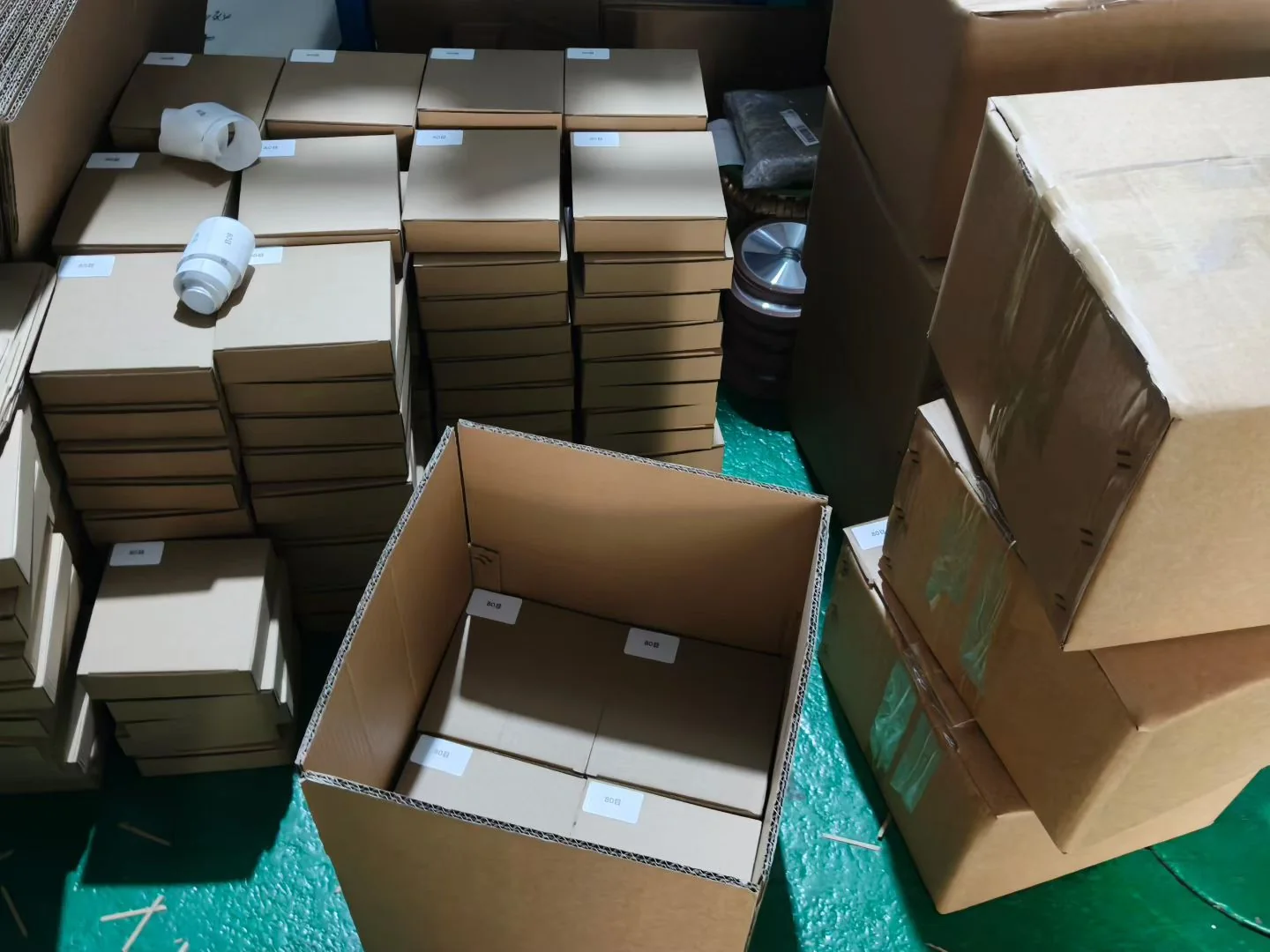
Individual packaging helps keep product identities organized, but the packing review should also address movement and contact during transport. Agree how working surfaces and mounting faces will be protected, and how each item will remain linked to its specification.
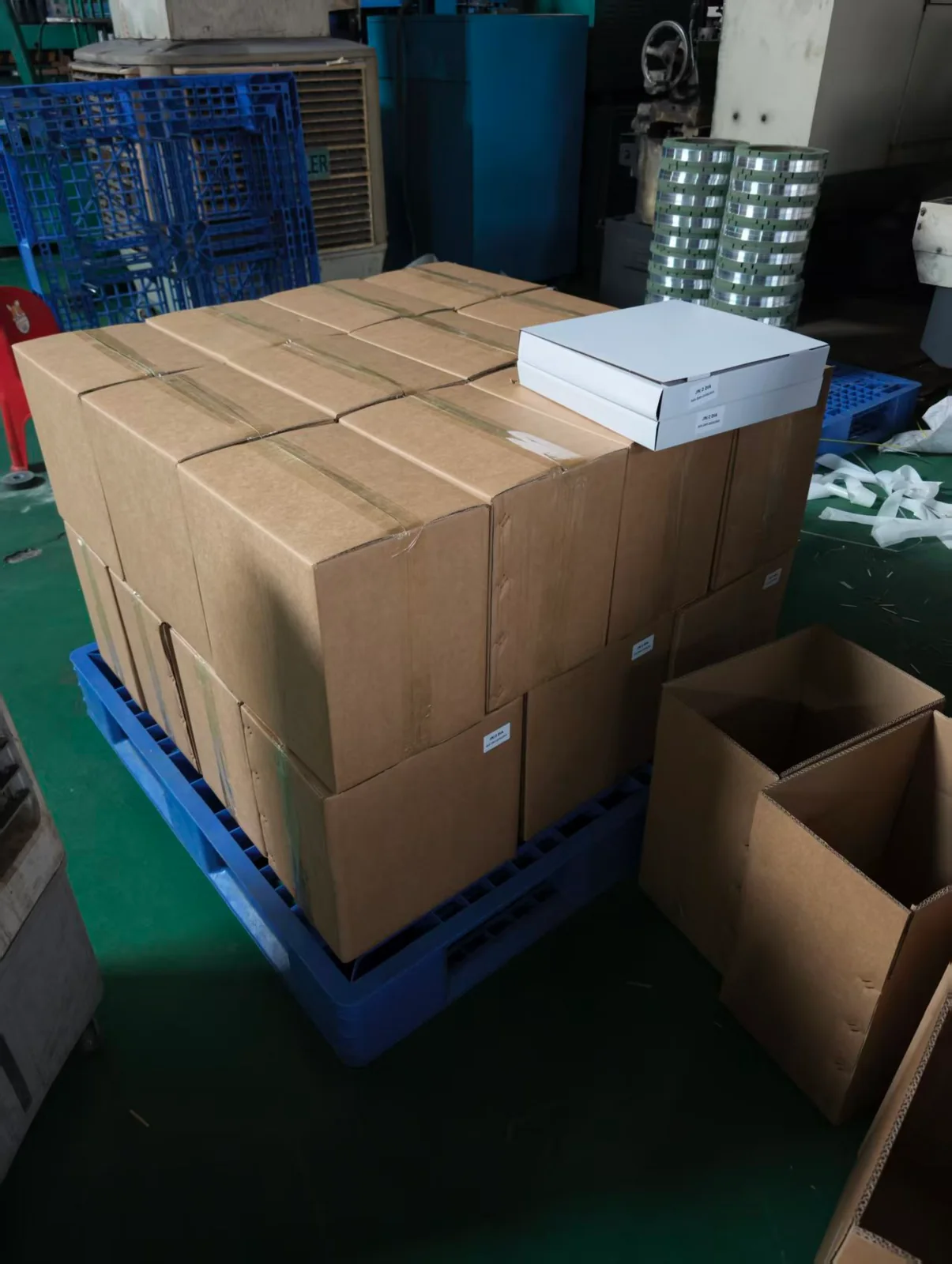
Ask for packing photographs that show more than the outside of a sealed carton. A useful set includes an individual item, its internal protection, the carton arrangement and readable shipment labels. For palletized orders, confirm the load arrangement and handling details with the supplier and freight provider.
At receiving, reconcile carton counts and product identities with the packing list. Record visible damage before moving the tools into general stock. Hold questionable items for review rather than installing them to discover whether the damage matters.
For the first bulk delivery, check the agreed incoming-inspection sample and carry out a documented production confirmation. Keep the batch identity in the record so later feedback can be traced to the goods received.
What should you send with a sample enquiry?
A focused enquiry lets the supplier review the application before proposing a sample. Send the information available now and identify which technical details still need clarification.
Include your company and country, sintered-stone manufacturer and series, slab thickness, machine model, current wheel photographs or drawing, process position, wet or dry method, current problem, and target result. Add the expected sample quantity and possible bulk-order quantity so technical and commercial discussions can proceed together.
If the enquiry covers several specifications, list each separately. One row per wheel or machine position makes omissions easier to catch than a message describing a complete line as “the same wheels.”
Use the broader diamond tool RFQ and supplier inspection checklist to organize the commercial and documentation requirements alongside the trial plan.
Frequently asked questions
How many resin-bond grinding wheel samples should I order?
Enough to evaluate the intended positions and comparisons. The quantity depends on the machine arrangement, specifications under review and required repeat testing. Agree a trial plan first, then ask the supplier to confirm the sample quantity, availability and charges.
Can I approve a wheel from photographs and dimensions alone?
Photographs and dimensions support an initial specification review. They do not establish grinding performance on your sintered stone. Confirm physical compatibility first, then evaluate edge quality, dimensional control and wear under documented production conditions.
Is the same grit enough to compare two suppliers?
No. Confirm the grading designation, bond, working-section geometry, process position and operating conditions. Matching a grit label does not establish an equivalent formulation or an equivalent production result.
Does a good factory test replace a trial on my line?
It can help screen a candidate, particularly when the factory uses comparable material and conditions. Review the test record. Differences in the slab, machine, removal requirement or grinding sequence may still require validation on your own equipment.
Should I choose the supplier offering the longest wheel-life claim?
Ask what the claim measures. A useful comparison identifies the material, operating conditions, accepted output, wear limit and test duration. Compare documented results and total process requirements alongside price, rather than selecting an unsupported lifetime figure.
What if the bulk order performs differently from the approved sample?
Check the batch and specification against the approval record, then review changes in slab material, machine settings and tool sequence. Send the supplier the affected batch details, observations and photographs. Keep unused items identifiable while the cause is investigated.
Conclusion: make sample approval repeatable
Buying resin-bond grinding wheels for sintered stone becomes more manageable when the sample, trial record and purchase order describe the same configuration. Start with compatibility, measure the result under relevant conditions, and make the approval specific enough to guide inspection and repeat supply.
The goal is a wheel that fits your production requirements and an order record that makes that requirement clear to everyone involved.