
In this guide 7 sections
A diameter match is only the first check
Match a diamond blade to the machine’s permitted diameter, bore and mounting arrangement, speed range, guard clearance and wet/dry setup. Then confirm the blade is intended for the actual material and operation. Use the machine manual and the exact blade specification together before approving installation.
Match the machine model, not only the blade diameter
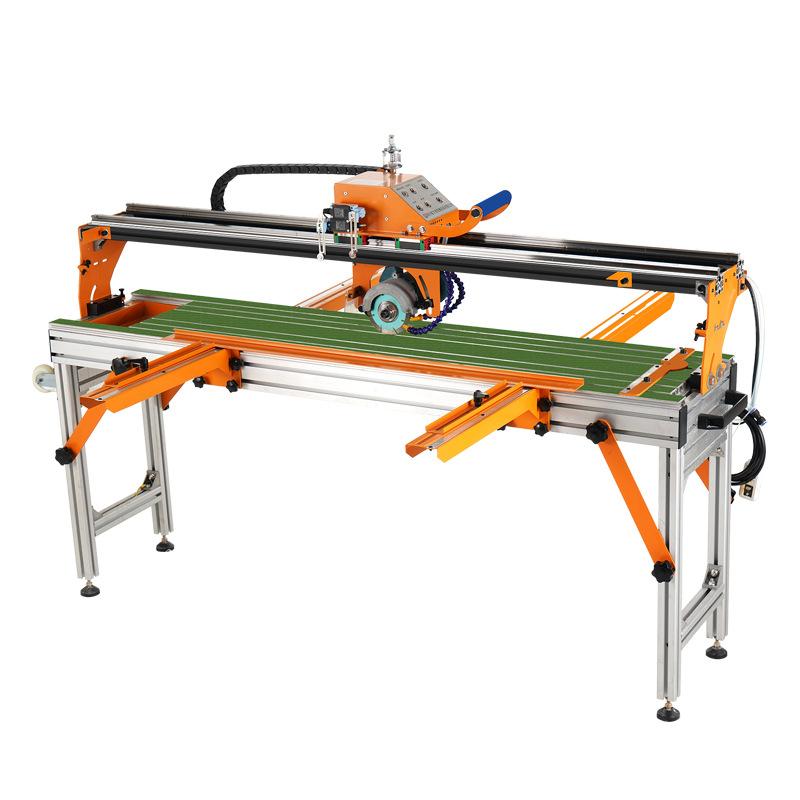
01Identify the equipment
A rail saw, bridge saw and handheld cutter can have different mounting, clearance and operating requirements.
02Match the interface
Compare the diameter and bore, then the flange arrangement, available depth and speed limits.
Collect the machine details once
A clear nameplate photograph and the relevant manual pages can prevent repeated questions during purchasing. Record the model and configuration actually in use, including any manufacturer-approved adapter or flange arrangement.
| Machine information | Match it with | Why it changes the choice |
|---|---|---|
| Permitted diameter range | Blade outside diameter | Determines fit and available depth |
| Shaft and mounting details | Bore, flanges and approved adapters | Determines seating and support |
| Speed range or fixed RPM | Blade rating and recommended operating range | Establishes compatible operation |
| Guard and head clearance | Complete blade dimensions | Prevents interference |
| Wet/dry arrangement | Blade and material operating instructions | Establishes the permitted process |
| Power, rigidity and work support | Application and cutting-section design | Affects stability under load |
Compare the options Tap to expand
Permitted diameter range
- Match it with
- Blade outside diameter
- Why it changes the choice
- Determines fit and available depth
Shaft and mounting details
- Match it with
- Bore, flanges and approved adapters
- Why it changes the choice
- Determines seating and support
Speed range or fixed RPM
- Match it with
- Blade rating and recommended operating range
- Why it changes the choice
- Establishes compatible operation
Guard and head clearance
- Match it with
- Complete blade dimensions
- Why it changes the choice
- Prevents interference
Wet/dry arrangement
- Match it with
- Blade and material operating instructions
- Why it changes the choice
- Establishes the permitted process
Power, rigidity and work support
- Match it with
- Application and cutting-section design
- Why it changes the choice
- Affects stability under load
Husqvarna’s selection guide explains why equipment type affects acceptable size, operating mode and speed. Use the actual saw documentation rather than transferring settings from a different machine.
Read the blade dimensions correctly
Four dimensions to read together
01D · Diameter / B · Bore
Diameter must fit the machine and required cut depth. The bore belongs to the approved spindle and mounting arrangement.
02H · Height / T · Thickness
Read the cutting-section dimensions separately from the steel core. Ask for the usable diamond depth when comparing wear capacity.
Specify units and names instead of sending a string of unexplained numbers. The diameter, bore, cutting-section height and thickness describe different features. For a grooving job, include the required finished slot width as a separate requirement.
A larger diameter does not automatically solve a depth problem. The guard, flange and head geometry can limit usable depth, and the machine must permit that diameter. Ask the equipment manufacturer if the available documentation does not cover the intended configuration.
Inspect the mounting interface
The interface can change how a sound blade runs
01Approved parts, correct order
Check the shaft, blade bore, matching flanges and fastener against the machine instructions.
02Clean, even contact
Inspect the flange contact faces for residue, damage and uneven seating.
With the machine isolated, check the shaft, bore, flange faces and approved fastening arrangement. Do not modify a bore or improvise an adapter to make a blade fit. Norton’s mounting guidance emphasises inspecting the blade and keeping mounting surfaces free of residue.
If seating or runout is uncertain, have a qualified technician inspect it using the machine’s procedure and limits. A new blade cannot correct a damaged spindle or an unsuitable flange.
Selection example: the right diameter, the wrong bore
Suppose a candidate has the required outside diameter but its bore does not match the approved mounting arrangement. Keep it off the machine and ask for a compatible specification. Only use an adapter if the equipment and blade manufacturers approve that arrangement for the exact application.
Apply the same logic to speed and operating mode. Meeting one dimension does not offset a mismatch elsewhere. Record each confirmed field so a later repeat order can be checked against the same machine configuration.
Send a complete compatibility enquiry
Send the nameplate, machine model, mounting photographs, current blade marking, required material and thickness, and the type of cut. Include the manual’s diameter and speed limits and the wet or dry arrangement.
If the task involves a visible edge or a miter joint, include a drawing or example of the required finish. Once the physical fit and operating conditions are confirmed, compare the appropriate material-specific products through the diamond saw-blade range.
FAQ
How do I know which blade diameter fits my saw?
Check the machine manual and guard or spindle documentation. Confirm the required cutting depth and the blade’s operating information. Do not use a diameter outside the machine’s permitted range.
Can I use a reducer ring for a different bore?
Only if the blade and machine manufacturers approve the specific adapter arrangement. Do not improvise rings or modify the bore. Include the approved adapter in the controlled specification.
Is segment thickness the same as blade-core thickness?
No. Segment thickness measures the cutting section; core thickness measures the steel body. Specify both using the supplier’s drawing and confirm the complete blade design.
What photos are useful for compatibility review?
Send the machine nameplate, full saw, spindle and flange interface when safely accessible, current blade marking, coolant arrangement, workpiece and current cut result. Add written dimensions because photographs can distort scale.